
G.B. Jones's solo exhibition A midnight stroll in the neighbourhood brings together a selection of drawings, films and photographs, as well as a range of ephemera, including zines, posters, and vinyl records.
Jones has spent four decades working at the edges of Toronto's punk and queer scenes: co-founding the zine J.D.s with Bruce LaBruce in 1985, coining the term that became "queercore," drumming and singing with the band Fifth Column. Through her drawings and films, she transforms the categories history has used to discard or criminalise women—deviant, criminal, occult—into instruments of revolt, portraying her subjects not as oppressed figures, but as powerful agents in control of their own narratives.
The exhibition opens with the drawing series Witches, depicting characters from screen history rather than folklore: Veronica Lake in I Married a Witch (1942), a centuries-dead witch revived to punish the descendant of the man who condemned her, only to fall for him instead; Kim Novak as Gillian Holroyd, with her cat Pyewacket, in Bell, Book and Candle (1958), a witch who casts a love spell on a man and then risks her powers by falling for him in earnest; Hope Lange in the TV movie Crowhaven Farm (1970), a suburban wife revealed as a reincarnated witch; Carroll Baker in Baba Yaga (1973), an Italian arthouse horror where the witch's hunger for her victim reads, unmistakably, as desire between women; Bella Ramsey in Requiem (2021), a short film that sets a queer love story inside the seventeenth-century witch trials. What these five characters share isn't a plot so much as a sense of authority: over desire, over bodies, over narratives—and, ultimately, over oneself.
Federici's Caliban and the Witch argues that this is closer to what the historical witch hunts were actually policing—not the belief in magic, but women's independent knowledge of the body: midwives, healers, women who managed birth, sex, and death without asking permission, and whose autonomy made them hard to discipline into the unpaid, reproductive labour early capitalism needed from them. Federici's method is recuperative: she goes back into a record official history had no use for and insists it mattered. Jones's method is recuperative too, aimed at a different kind of neglect. Crowhaven Farm (1970) was a forgotten ABC television movie; Baba Yaga (1973) barely played outside Italy. On the page, Jones makes no distinction between rather less known actresses such as Hope Lange or Caroll Baker and Veronica Lake at her most iconic—a refusal, quieter than Federici's, to sort the subject into what deserved to be taken seriously and what didn't.
The second room shifts from the on-screen witches to "real-life troublemakers". Two drawings mark the turn: Evelyn Lau and Red Derek King, figures drawn from life rather than film. A series of silver gelatin prints continues that shift, alongside four films that keep straddling the line between documentary and fiction. Jones shot on Super-8—cheap, amateur-grade, the format of home movies—a deliberate choice, in keeping with the same DIY aesthetic that ran through her zines. The Troublemakers (1990), shot in Jones's own condemned house for the price of seven three-minute cartridges, casts actors playing something close to themselves, until the two categories stop being useful. The Yoyo Gang (1992) stages a running feud between two lesbian girl gangs, cast largely from the queercore bands around Jones, including her own, Fifth Column. The Lollipop Generation (2008), filmed in pieces over more than a decade, follows a runaway teenager and the queer street kids she falls in with. On the Run (2019), a sequence of brief, music-cut shots, sits nearer to the Witches series than to either film—less a story than a held look.
The Reading Room and Office turn from the work itself to the ephemera that produced it: zines, records, posters, cassettes, and other printed matter. This is Jones's primary medium as much as drawing or film—passed from hand to hand rather than made for a single viewer at a time. Witches and troublemakers depend on that world without depicting it directly; here, it's given the same space and attention as the drawings and films themselves.
The exhibition is accompanied by a text by Shola von Reinhold.
G.B. Jones lives and works in Toronto, Ontario, Canada. She has exhibited her art internationally since the early 1990s at institutions and galleries including Air de Paris, Paris, France (2025); Kunstverein, Amsterdam, Netherlands (2023); Galerie Neu (2026), and Schwules Museum (1997), Berlin, Germany; Kunsthalle Exnergasse, Vienna, Austria (2009); Kunstverein München, Munich, Germany (1994); White Columns (1994), David Zwirner (1993), Feature Inc. (1991), Participant Inc. (2017), and the Brooklyn Museum (2023), New York, USA; Columbus Museum of Art, Columbus, Ohio, USA (2020); MCA Chicago, Illinois, USA (2012); Walker Art Center, Minneapolis, USA (2012); ICA Philadelphia, USA (2012); MOCA Toronto (2024), COOPER COLE (2017, 2018, 2020, 2022), The Power Plant (1995), and Mercer Union (1994), Toronto, Canada; Vancouver Art Gallery (2024), and Or Gallery (1996), Vancouver, Canada, among others.
Kevin would like to thank COOPER COLE for their support in realising this exhibition.
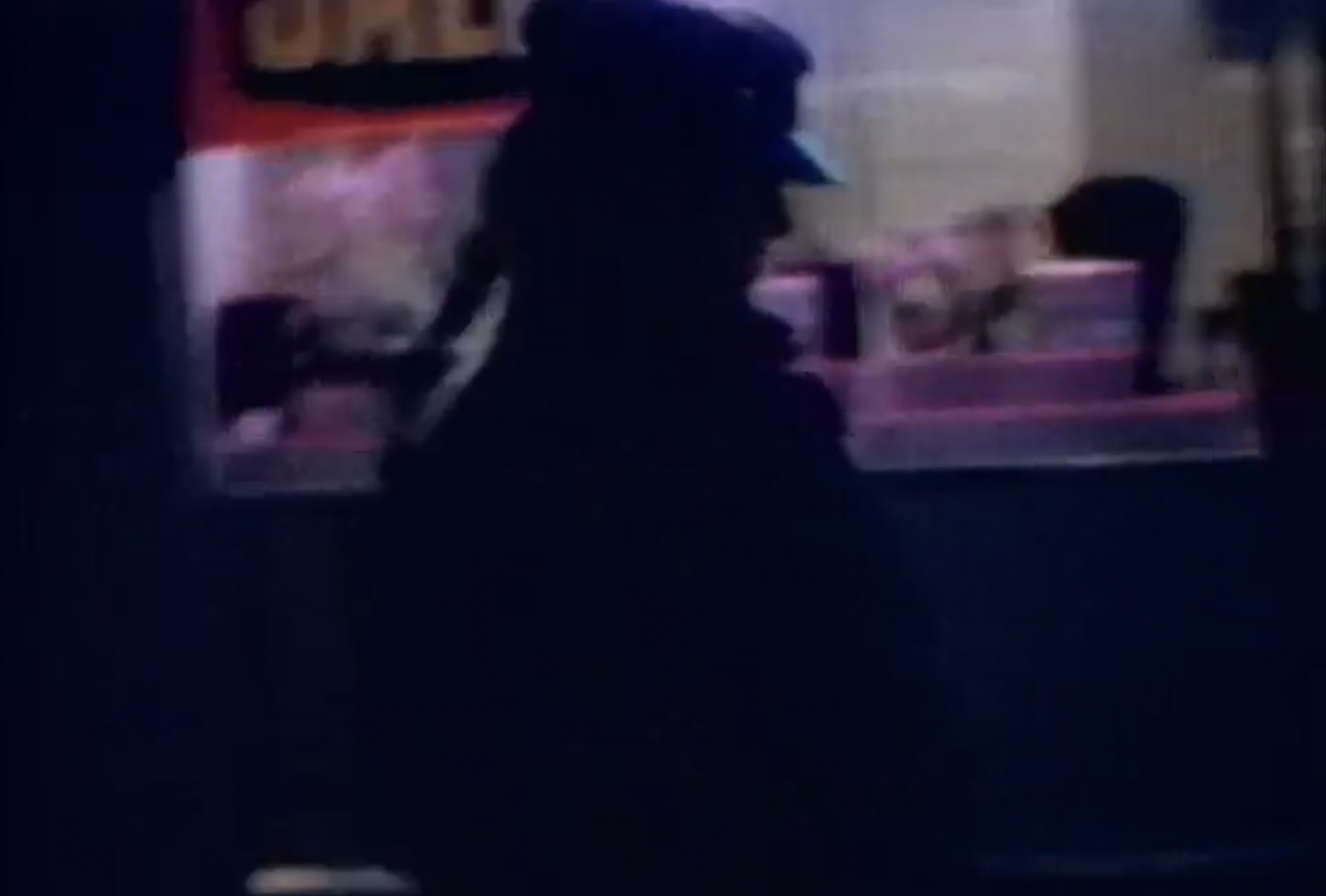
Still image, G.B. Jones, The Yo-Yo Gang, 1992. Courtesy of G.B. Jones and COOPER COLE.
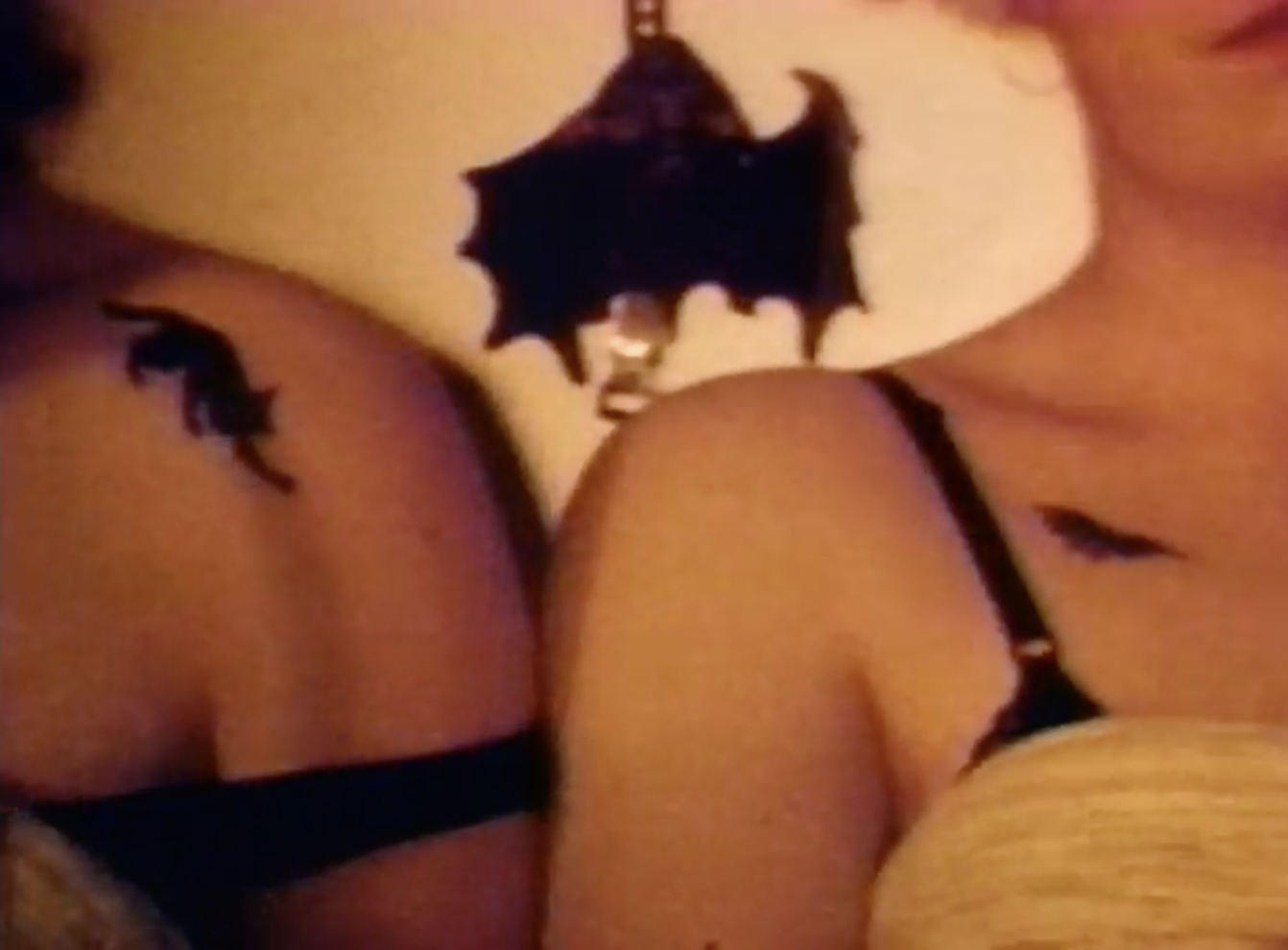
Still image, G.B. Jones, The Yo-Yo Gang, 1992. Courtesy of G.B. Jones and COOPER COLE.